

RCA Victor Studios, New York
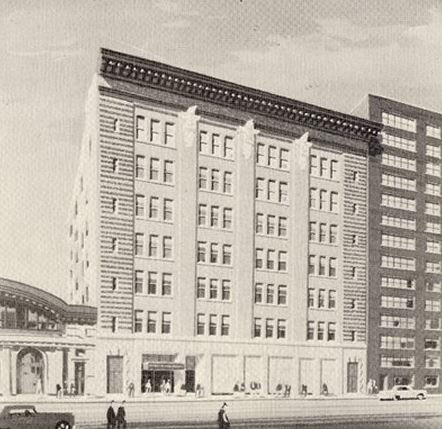
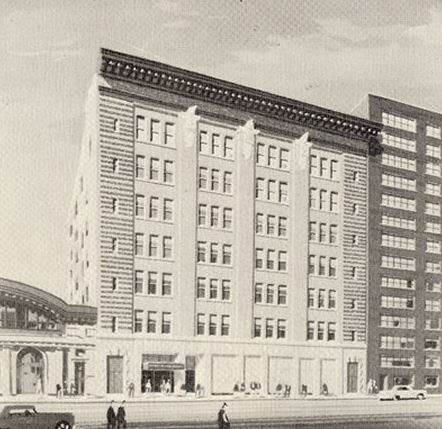
Recording studios of RCA Victor in New York City, located at 155 East 24th Street, which was active from 1928 to 1969, and comprised two rooms, Studio A (or Studio 1) and Studio B (or Studio 2).
May also be referred to as RCA Victor Recording Studios, RCA Recording Studios, RCA Victor's Studio, RCA Victor's Studio A or Studio 1, or Studio B or Studio 2, RCA Victor, or RCA Studios, New York.
Prior to 1928: Victor Studios, New York
From 1953 to 1968, RCA Victor also used Webster Hall for larger recording space.
From 1969 to 1993: RCA Studios, New York
For the full list of RCA's studios, see RCA Studios.
In early 1928, after decades of recording in various locations, the Victor Recording Company acquired a property in Manhattan to build a recording studio. Originally built in 1907 as a seven-story stable, the building at 155 East 24th Street was previously home to Manhattan's leading supplier of coach, livery and workhorses, supplying horses for the New York transit system, and later to the U.S. military for use in World War I. After the Radio Corporation of America purchased the Victor Talking Machine Co. in 1929, the company became RCA Victor, and the studio became RCA Victor Studios. The facilities consisted of Studios A and B (also referred to as Studios 1 and 2), designed by Victor Co. employee John E. Volkmann. Studio A was the larger studio, with space to accommodate up to 35 musicians. Studio B was smaller, and used for piano and chamber music recordings. The shared control room was equipped with a simple RCA mixing console designed and built by its own engineering department, as were the studio's most popular microphones, the RCA 44 and RCA 77. Recordings were made on hot wax, so musicians had to wait a week for test pressings in order to hear what they recorded.
Many notable recordings were produced at the studio in the 1930s, including Hoagy Carmichael And His Orchestra's original 1930 recording of "Georgia on My Mind"; Artie Shaw And His Orchestra's 1938 recording of "Begin the Beguine"; and Glenn Miller And His Orchestra's 1939 recordings of "In the Mood" and "Moonlight Serenade," as well as their hit "Pennsylvania 6-5000" the following year. Other artists recording at the studios in the 1930s included Bix Beiderbecke and Charlie Barnet. In May 1933, Jimmie Rodgers recorded what would become his final sessions at the studio. On February 17, 1948, the organizational meeting that led to the formation of the Audio Engineering Society was held at the studios, as was the first AES technical membership meeting held on March 11, 1948, with RCA engineer Harry F. Olson as guest speaker.
In the early 1950s, Eddie Fisher recorded several hit songs at the studio, including "Anytime" (1951), "Tell Me Why" (1951), and "Wish You Were Here" (1952). In 1956, Elvis Presley recorded "Blue Suede Shoes," "Hound Dog," and "Don't Be Cruel" at the studio. In July 1959, The Isley Brothers recorded their hit song "Shout" and subsequent debut studio album from the group. Other artists recording in the studio in the 1950s included Charles Mingus, Perry Como, Harry Belafonte, Lena Horne, Della Reese, and Neil Sedaka.
By 1969, RCA felt its 24th Street studios were too small, obsolete and no longer competitive, and opened new recording studios within a new building at 1133 Avenue of the Americas, RCA Studios, New York. The 155 East 24th Street building was later sold to the City College of New York (CUNY), which used building until 1998, after which it was razed to facilitate construction of the Baruch College Newman Vertical Campus.
155 East 24th Street New York 10, N.Y. 10010 +1 (212) MU 9-7200/+1 (212) 689-7200 (Contact info now obsolete)